
CAESES.
Flexible and robust variable geometry for design studies and optimization
Everything you need for automated design exploration
From parametric geometry creation and intelligent design variation to simulation integration, optimization, and data-driven insights – CAESES provides a complete environment to explore more design options and identify better-performing solutions faster.

Model & morph
Create fully parametric component geometries – or rapidly modify imported geometries using advanced morphing techniques.

Vary & constrain
Reliably generate design variations without failures while automatically respecting manufacturing or packaging constraints.

Export & connect
Export geometries in multiple simulation-ready formats and seamlessly connect CAESES with external simulation and calculation tools.

Optimize
Explore and improve designs using integrated DoE, optimization algorithms, data management, and post-processing capabilities.

Integrate
Automate and customize workflows through full scripting support and easy integration with third-party optimizers and tools.

Insight
Leverage advanced analytics and machine learning to uncover trends, accelerate learning, and make data-driven design decisions.
Comparison vs. traditional CAD tools
Who is it for?
- 5CFD or simulation specialists engaged in design
- 5R&D engineers investigating next generation concepts
- 5Methods departments exploring new tools and process chains
- 5Designers and CAD engineers
CAESES
- NStable geometry
- NLess parameters
- NAutomated workflows
- NUsable design results
- NFast automated iterations
- NDesign insights
Traditional CAD tools
- MModels are fragile under variation
- MToo many parameters
- MManual, disconnected workflows
- MDifficult to consider constraints
- MSlower design process
Efficient shape exploration
CAESES stands for CAE shape exploration system. It is a platform for simulation- and data-driven design of part and component geometries.
CAESES brings parametric CAD, process integration, and an optimization environment into one single software platform.
Use its unique simulation-ready parametric geometry modeling and variation, optimization capabilities, and data processing together with your simulation tool of choice to design and develop better products, faster, and at lower cost.
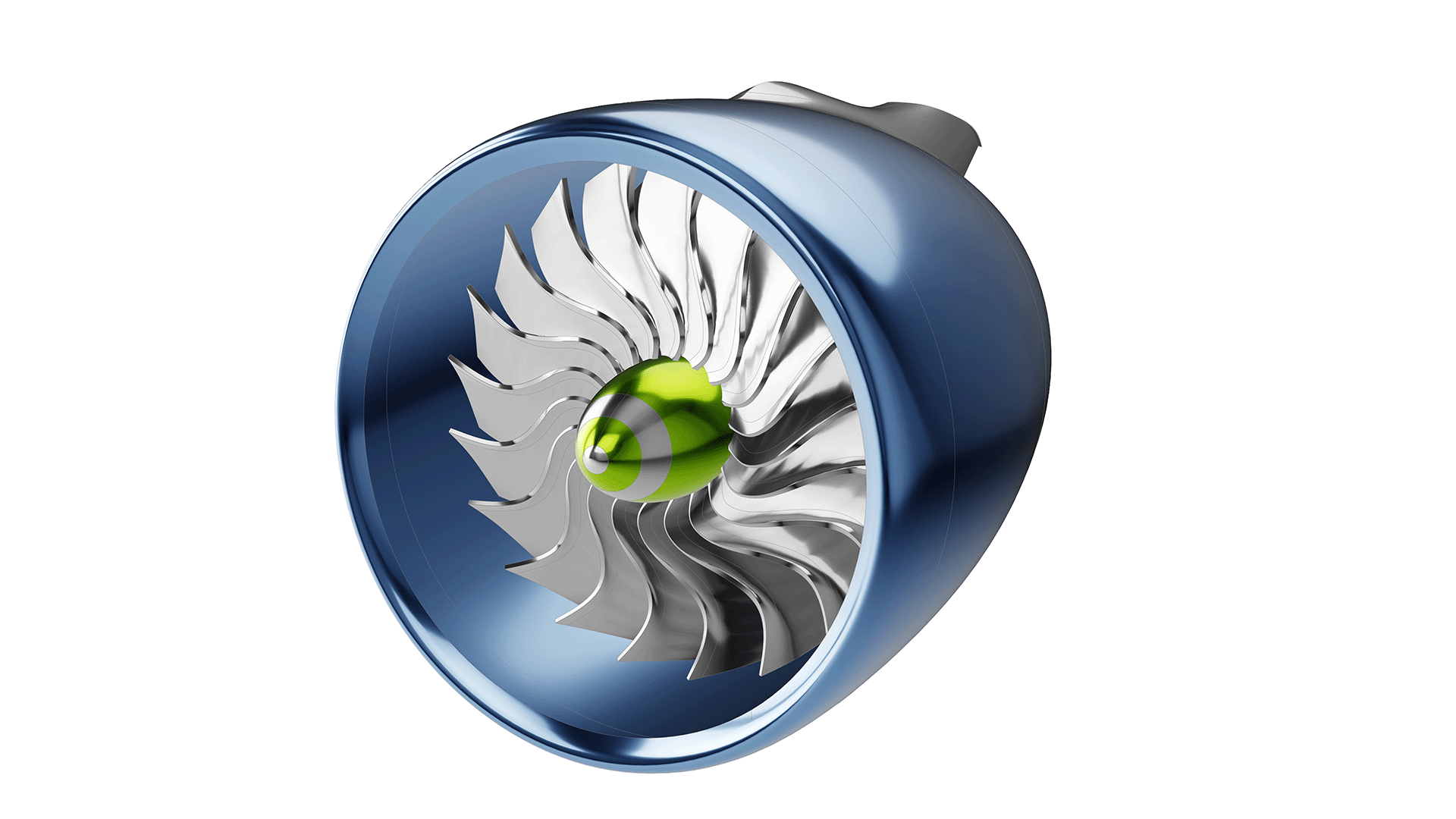
Flexible design study foundation
Where traditional design processes are manual and iterative, CAESES saves you time and resources, all the while helping you design better performing products.
Gain a flexible foundation for efficiently running design studies or training machine learning models, so you can find the best possible solution to a design problem in an efficient way – while considering all necessary requirements.
Parametric modeling
Explore large design spaces in the context of simulation-driven design and training of machine learning and AI models in an extremely robust and flexible way.
CAESES efficiently and smartly parameterizes even the most complex geometries, such as free form shapes, to generate and evaluate a large number of design variants.
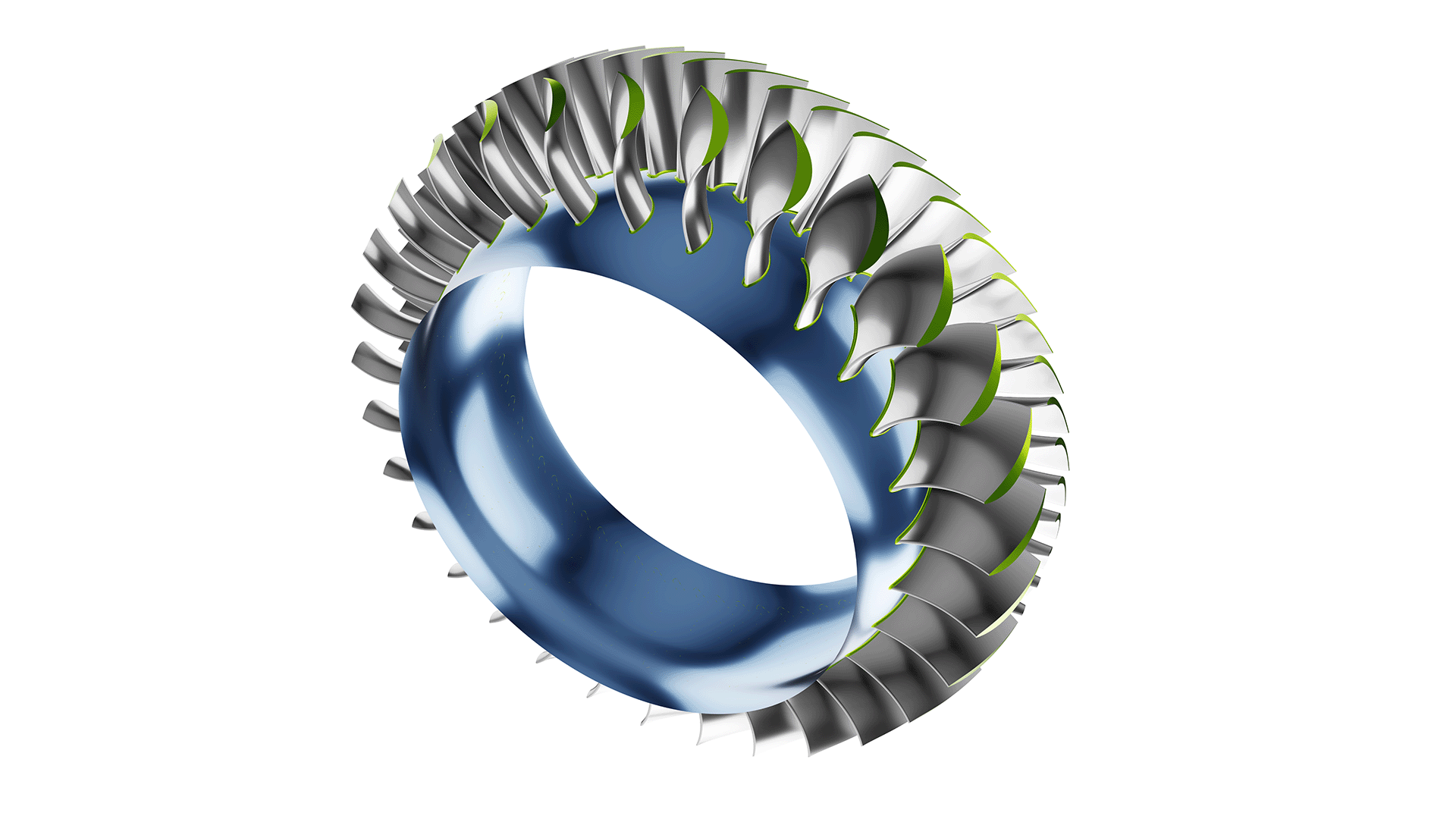
Geometry morphing
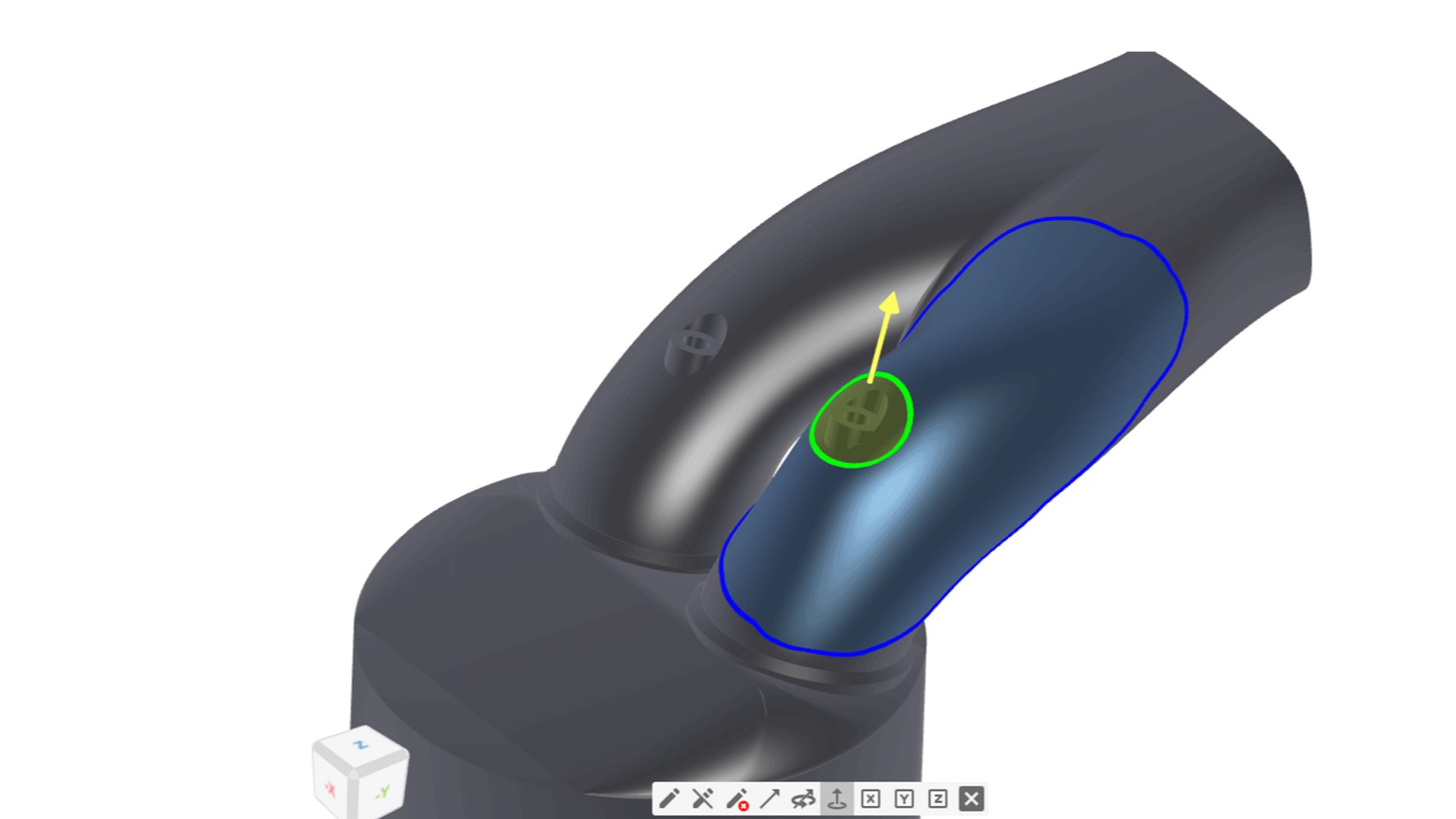
Alternatively to fully-parametric modeling, use deformation and morphing tools for imported data, such as NURBS geometries or surface meshes.
The methods include Free-Form Deformation (FFD) using control boxes and Radial Basis Function (RBF) morphing based on translation vectors or couples of source and target geometries.
Constraint handling
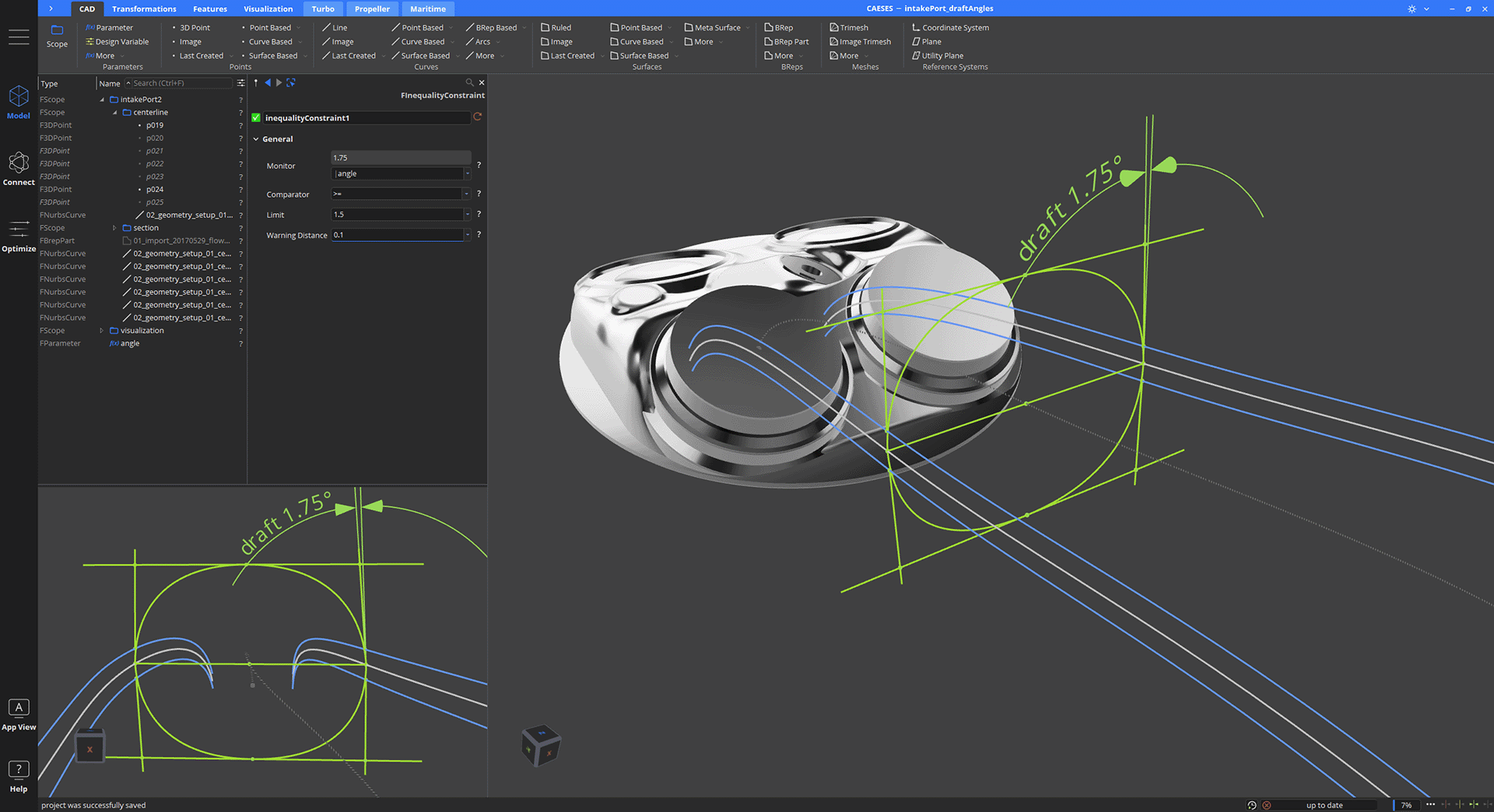
Apply geometrical constraints (e.g., related to manufacturing or packaging) to ensure the exported design variants are feasible and ready to be automatically evaluated by simulation.
Consider all possible requirements and constraints within parameter studies, to a priori discard unreasonable parts of the design space and save resources.
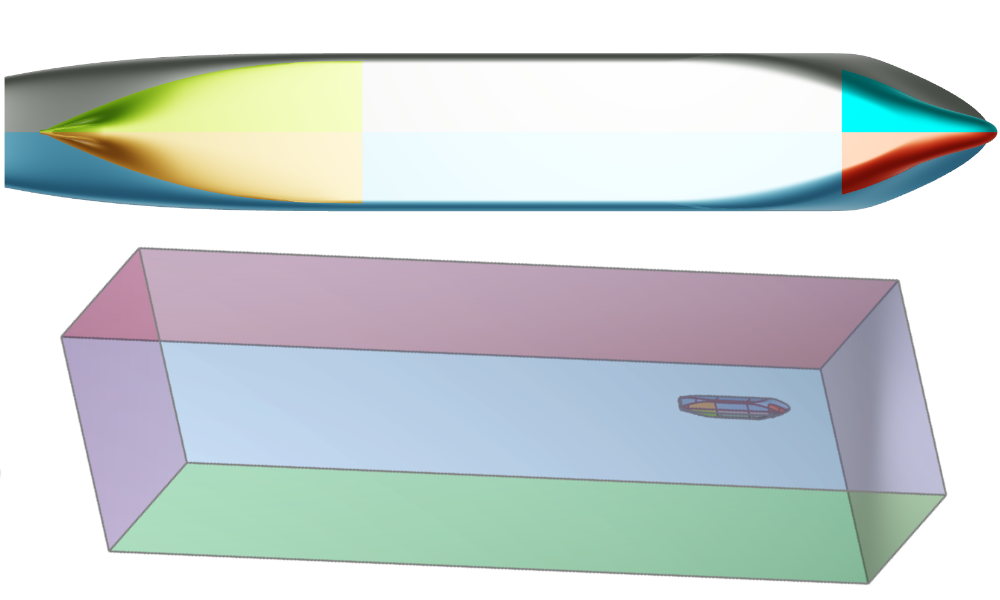
Simulation-ready export
CAESES generates clean, watertight geometry with persistent patch identifiers that is ready for automated meshing and simulation
This enables one-time simulation preprocessing that remains valid for all generated design variants, significantly reducing manual effort and ensuring reliable automated analysis and optimization.
Simulation interfacing
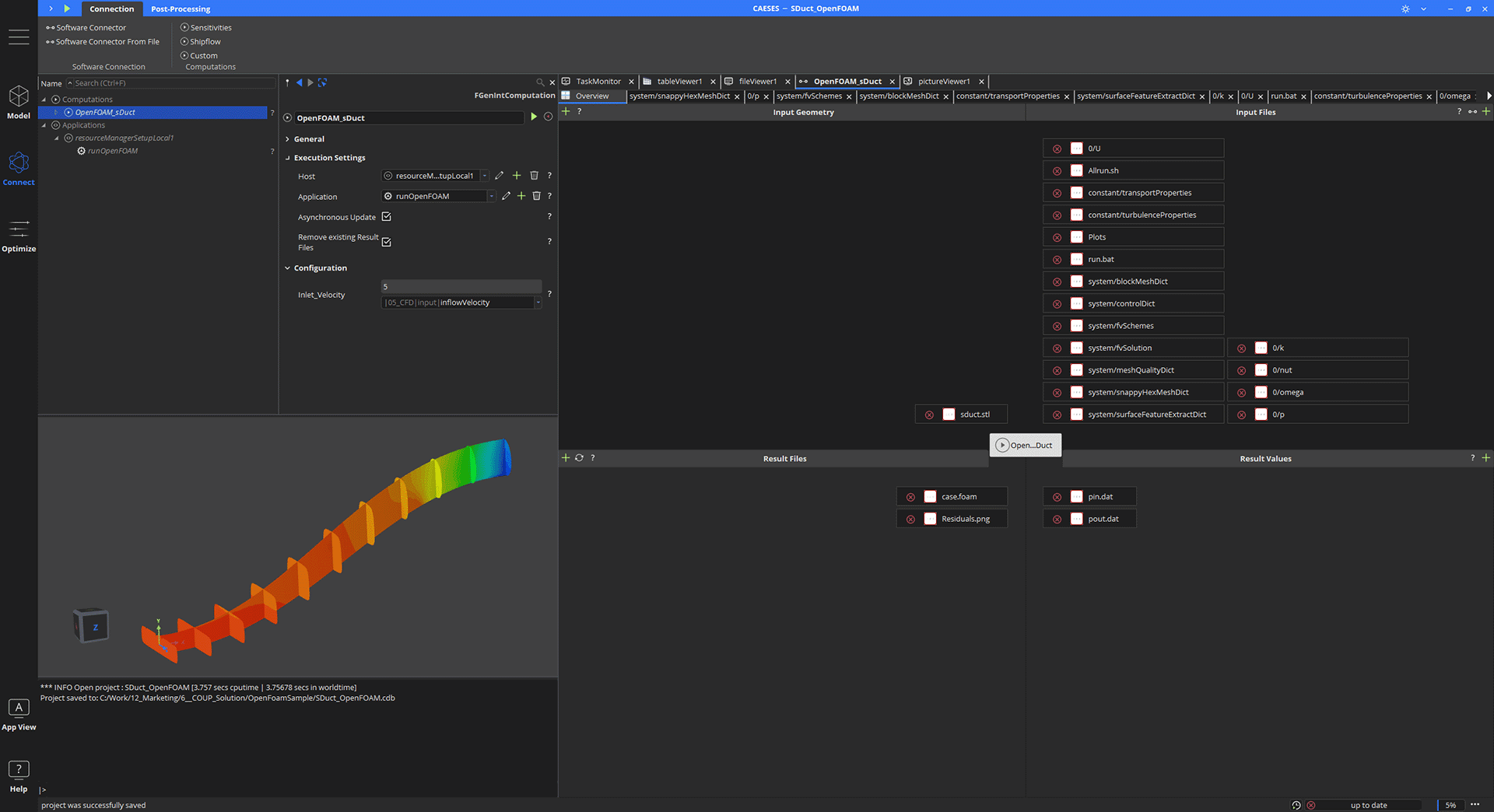
CAESES connects variant generation with simulation and analysis tools in a fully automated workflow. The open, user-configurable interface couples to any external simulation tools.
Input parameters, geometry files, simulation settings, and results are transferred automatically between connected tools in an end-to-end process chain.
Optimization environment
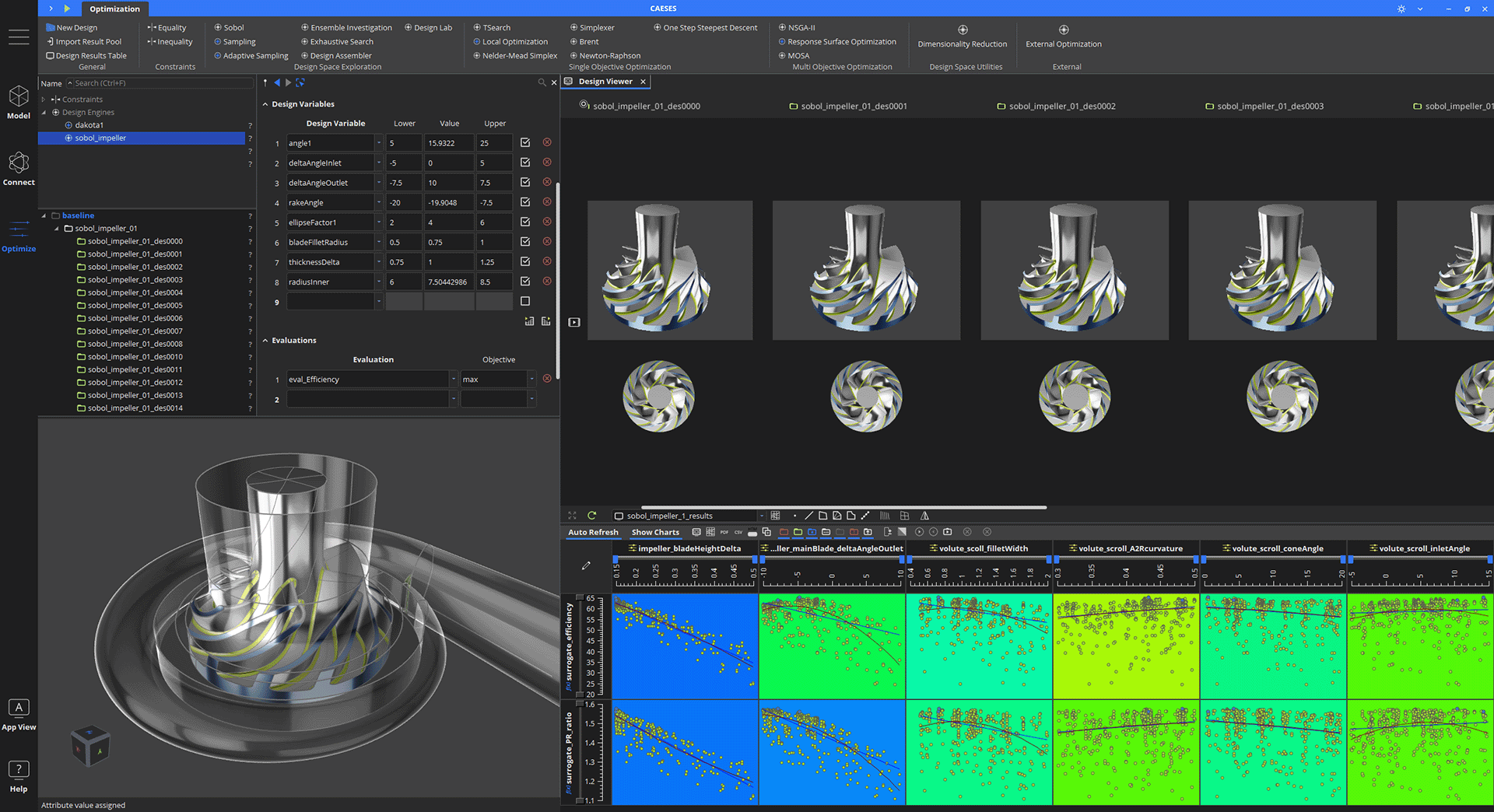
Choose from a wide selection of optimization methods, including parameter studies, sensitivity analyses, single- and multi-objective optimization, as well as surrogate modeling techniques.
Automatically generate, evaluate, and compare large numbers of design variants to uncover performance trends und understand parameter influences.
Use Cases
Hydrodynamic Optimization of Ship Hulls
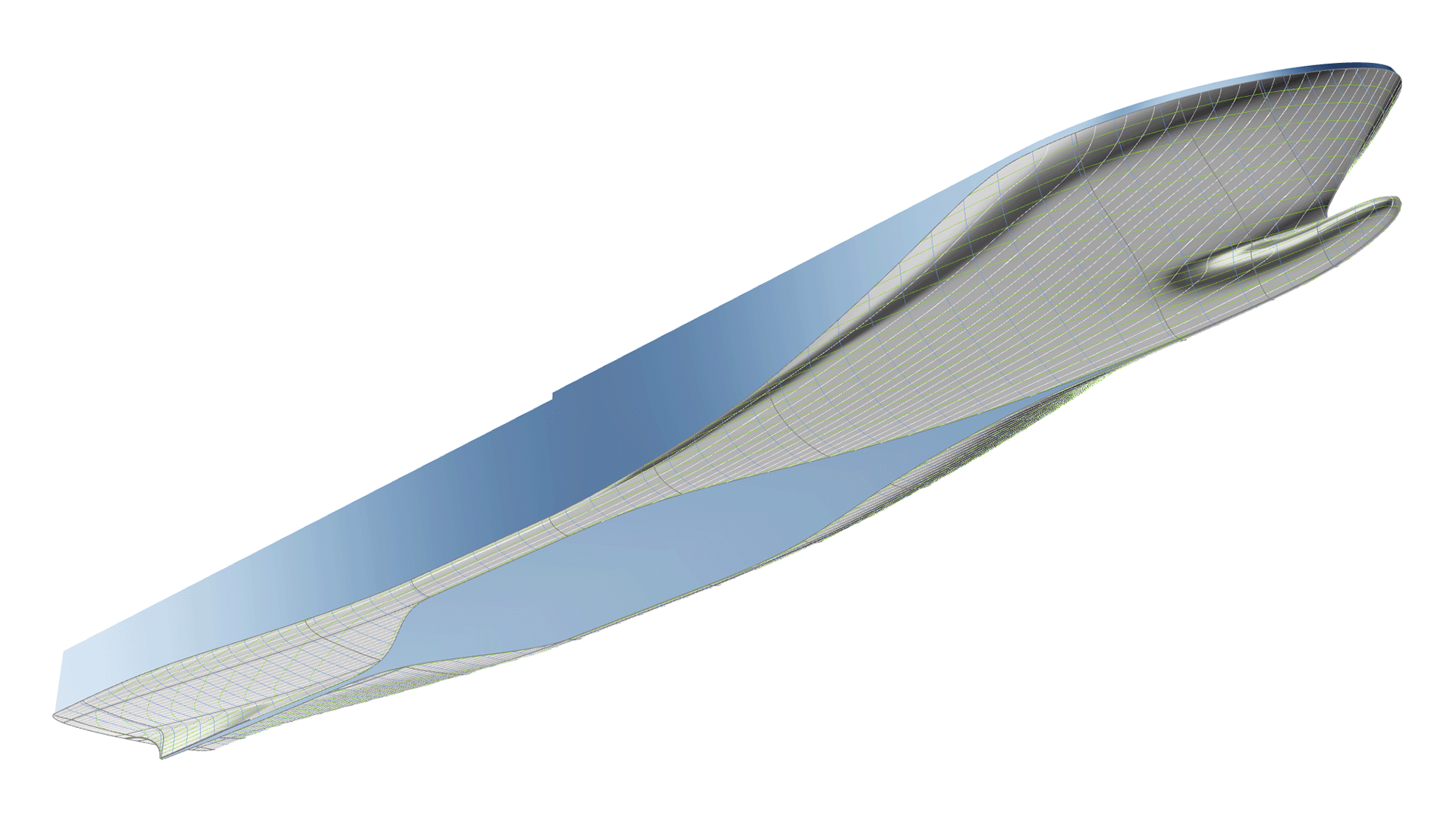
Challenge: Ship hulls are typically one-off designs and need to be quickly optimized for performance in the early design stages, while dealing with a complex free-formed geometry and taking into account a multitude of requirements and constraints.
Solution: CAESES delivers a design platform that enables the user to efficiently parameterize the geometry using high level shape properties, optimize its hydrodynamics with a coupled flow solver, and monitor constraints such as hydrostatics.
Benefit: A rapid design workflow that allows the designer to quickly develop the hull lines to match the client’s requirements and provide superior energy efficiency.
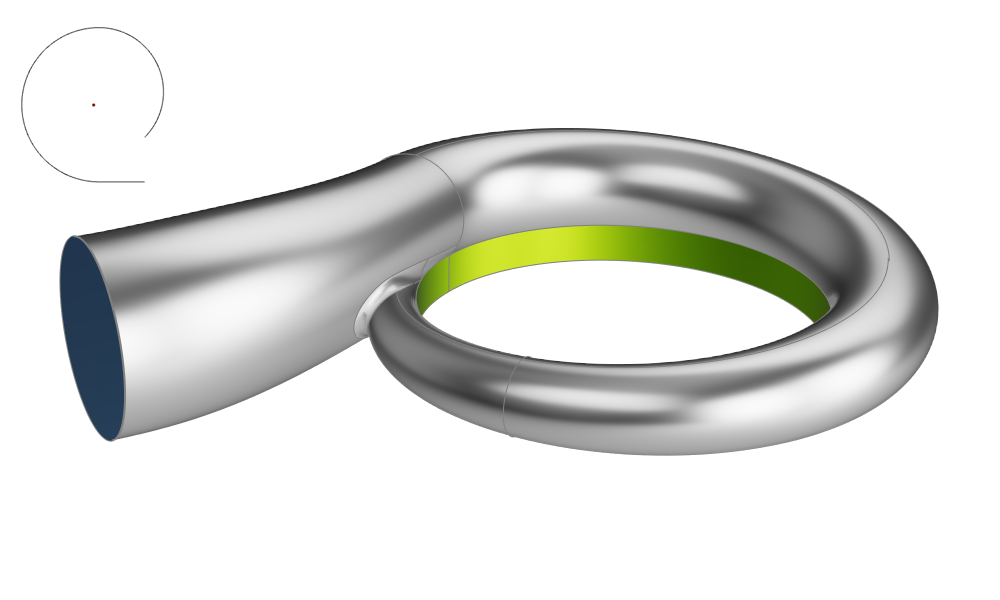
Data generation for training machine learning models
Challenge: The training of machine learning models intended for the prediction of performance and optimal geometries requires a large amount of data, but variant generation of complex geometries for simulation is often prone to failure and requires too many parameters.
Solution: CAESES’ unique geometry parameterization capabilities allow for a robust and highly flexible variant generation, while considering given constraints and keeping the number of necessary parameters to a minimum.
Benefit: An efficient exploration of the feasible design space and significant time savings in the generation of training data for AI models.
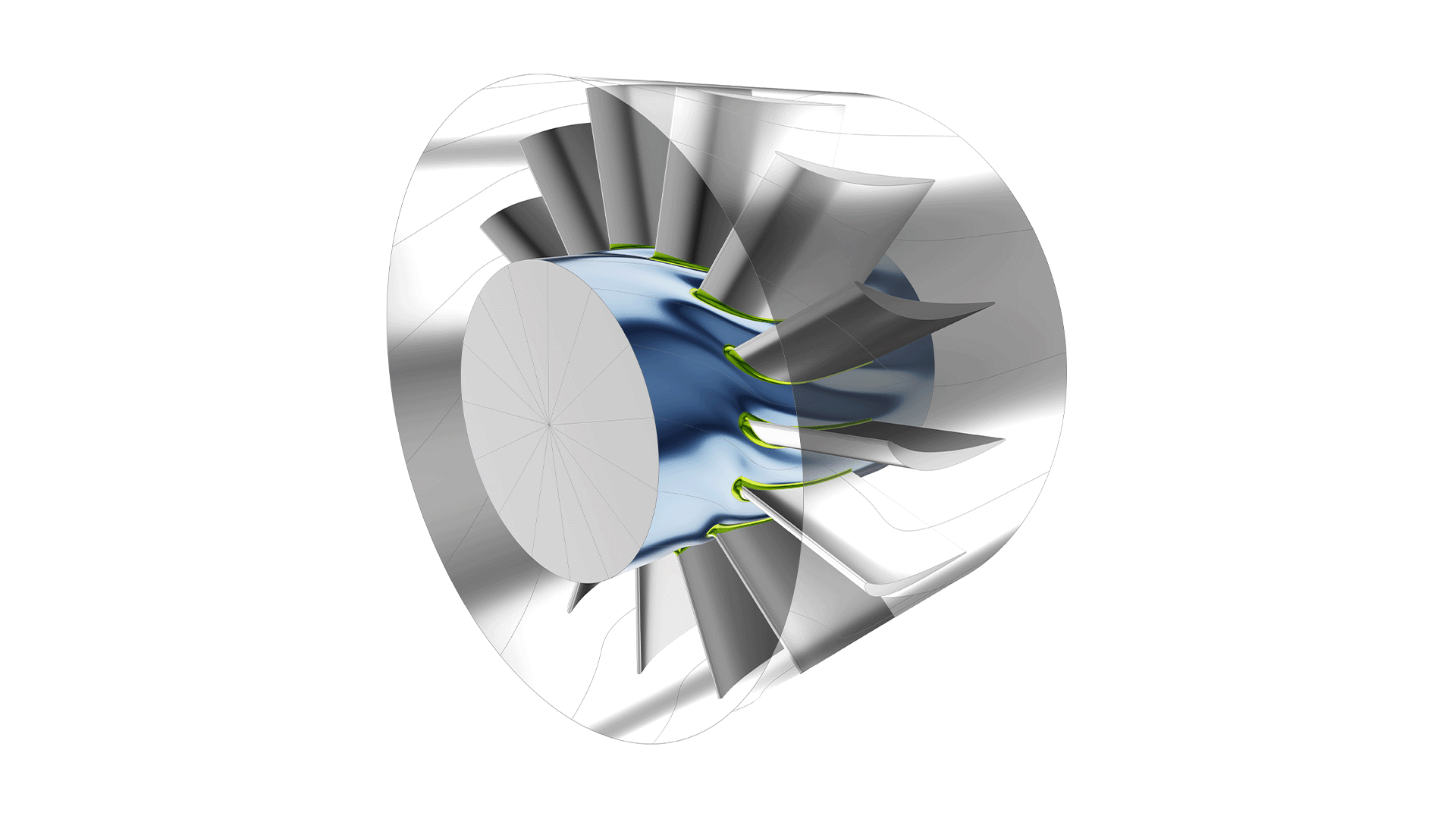
Design and optimization of turbomachinery components
Challenge: Many different competing requirements, such as aerodynamic, structural, and manufacturing aspects, play a role in the design of a turbomachinery component and often necessitate time-consuming iterations to properly balance.
Solution: CAESES can not only build efficiently parameterized and highly detailed geometry models ready for variation, but also smart engineering models that take into account all necessary requirements and delimit the feasible design space.
Benefit: A significantly accelerated design process, including the exploration of the feasible design space and the optimization of the component, without need for late changes.
Frequently asked questions
Is CAESES a CAD system?
To some extent, yes. While a significant part of CAESES is a CAD modeling environment, it is a highly specialized CAD tool with a focus on robust geometry variation for the purpose of design exploration and optimization.
Why would I need another CAD tool?
The handling of geometry in the context of automated design studies and optimization is often a bottleneck with "traditional" CAD systems, which excel in other tasks. Typical symptoms are models breaking under variation, violation of constraints, or the necessity for manual intervention in the setup of simulation processes.
Can CAESES be integrated in existing workflows?
Yes, CAESES offers a multitude of possibilities for integration and interaction with other tools used in the design process. This goes from flexible interfacing with arbitrary simulation tools, over running in batch mode as geometry generator in other optimization frameworks, to several import and export formats for data exchange with up- and downstream processes.